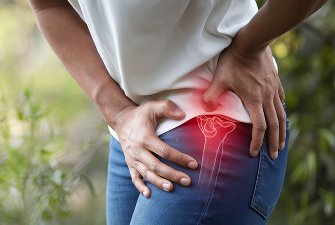
Understanding Hip Pain
Hip pain can result from joint problems, muscle strain, arthritis, bursitis, or injury. It may affect your ability to walk, sit, or perform daily movements comfortably.
Our approach focuses on identifying the root cause—whether it's joint stiffness, inflammation, or muscle imbalance—and treating it with targeted physiotherapy techniques for long-term recovery and pain relief.
Common Hip Pain Symptoms
- Pain While Walking: Discomfort during movement.
- Stiffness: Reduced hip flexibility.
- Pain in Groin Area: Deep joint-related pain.
- Swelling or Tenderness: Around the hip joint.
- Limited Range of Motion: Difficulty in movement.
- Pain While Sitting: Discomfort after long sitting.
Your 3-Phase Recovery Journey
Hip pain recovery requires structured physiotherapy and gradual progression.
Pain Relief (Week 1–3)
Reduce pain and inflammation using therapy and guided rest.
Rehabilitation (Week 4–8)
Improve flexibility and strengthen hip-supporting muscles.
Prevention (Week 8+)
Focus on posture, strengthening, and preventing recurrence.
Daily Habits for Hip Pain Relief
Small daily habits can significantly improve hip joint health.
Maintain Proper Posture
Keep hips aligned while sitting and standing.
Avoid Long Sitting
Take breaks every 30–45 minutes.
Stretch Regularly
Perform hip mobility exercises.
Use Supportive Seating
Avoid low or uncomfortable chairs.
When to Seek Immediate Help
Severe Pain
After fall or injury
Inability to Walk
Difficulty bearing weight
Swelling
Sudden swelling in hip area
Severe Stiffness
Restricted movement
Start Your Pain-Free Journey
Hip pain can be effectively treated with proper physiotherapy and guided exercises. Our goal is to restore mobility, reduce pain, and improve your quality of life.
Book your consultation today and take the first step toward a pain-free life.