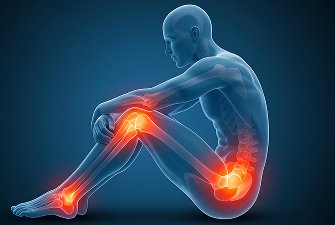
Understanding Joint Pain
Joint pain can affect any part of the body including knees, shoulders, hips, and elbows. It is commonly caused by arthritis, inflammation, injury, or overuse of joints.
It may develop gradually or suddenly and can significantly impact your daily routine if not treated early. Conditions like osteoarthritis, rheumatoid arthritis, and ligament injuries are common contributors.
Our approach focuses on identifying the root cause—whether it's inflammation, cartilage wear, or muscle imbalance—and treating it with targeted physiotherapy techniques for long-term relief and improved joint function.
Early intervention with physiotherapy can help prevent long-term damage and restore your mobility faster.
Common Joint Pain Symptoms
- Pain During Movement: Discomfort while using joints.
- Stiffness: Reduced flexibility especially in morning.
- Swelling: Inflammation around joints.
- Joint Tenderness: Pain when touching the area.
- Redness & Warmth: Signs of inflammation.
- Weakness: Reduced strength around joints.
- Limited Movement: Difficulty in daily activities.
- Fatigue: Tiredness due to chronic pain.
Your 3-Phase Recovery Journey
Joint pain recovery requires a structured and personalized physiotherapy plan.
Each phase is designed to gradually reduce pain, restore mobility, and prevent future joint problems.
Pain Relief (Week 1–3)
Reduce inflammation and pain using therapy and guided care.
Rehabilitation (Week 4–8)
Improve joint mobility and strengthen supporting muscles.
Prevention (Week 8+)
Focus on lifestyle changes and preventing recurrence.
Daily Habits for Joint Pain Relief
Healthy daily habits can significantly improve joint function and reduce pain.
Simple lifestyle changes combined with regular physiotherapy can prevent joint deterioration and improve overall quality of life.
Stay Active
Regular movement keeps joints flexible.
Maintain Healthy Weight
Reduces stress on joints.
Do Regular Exercises
Strengthen muscles around joints.
Avoid Overuse
Prevent repetitive strain on joints.
When to Seek Immediate Help
Severe Pain
Sudden or worsening pain
Swelling
Persistent swelling
Joint Deformity
Visible joint changes
Limited Motion
Unable to move joint
Start Your Pain-Free Journey
Joint pain can be effectively managed with proper physiotherapy and lifestyle changes. Our goal is to restore flexibility, reduce pain, and improve overall joint health.
Don’t ignore early symptoms—timely treatment can prevent long-term complications.
Book your consultation today and take the first step toward a healthier, pain-free life.