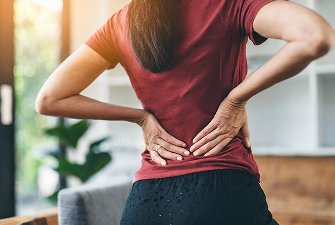
Understanding Slip Disc
A slip disc (herniated disc) occurs when the soft inner portion of a spinal disc pushes through its outer layer, causing nerve compression and pain. It commonly affects the lower back and neck.
At our clinic, we focus on identifying the root cause of your disc problem— whether it’s posture, injury, or lifestyle—and create a structured, non-surgical recovery plan using advanced physiotherapy techniques.
Symptoms We Treat
- Lower Back Pain: Persistent or sharp pain.
- Radiating Pain: Pain traveling to legs or arms.
- Numbness: Tingling sensation in limbs.
- Muscle Weakness: Reduced strength in affected area.
- Sciatica: Shooting pain along the sciatic nerve.
- Limited Movement: Difficulty bending or sitting.
Your 3-Phase Recovery Journey
Slip disc recovery follows a gradual and structured process.
Pain Relief (Week 1–3)
Reduce inflammation and nerve pressure using manual therapy and pain management techniques.
Rehabilitation (Week 4–8)
Strengthening core muscles and improving flexibility to support the spine.
Prevention (Week 8+)
Focus on posture, strengthening, and lifestyle changes to prevent recurrence.
Daily Habits for Slip Disc Recovery
Maintain Proper Posture
Avoid slouching while sitting or standing.
Avoid Prolonged Sitting
Take breaks every 30 minutes.
Regular Exercises
Follow guided physiotherapy exercises.
Safe Lifting
Lift with knees, not your back.
When to Seek Immediate Help
Loss of Control
Bladder or bowel issues
Severe Weakness
Leg or arm weakness
Unbearable Pain
Pain not reducing
Injury History
Recent accident or fall
Start Your Recovery Today
Slip disc pain can be effectively managed without surgery in most cases. Our expert physiotherapy approach helps you recover safely and return to your normal life.