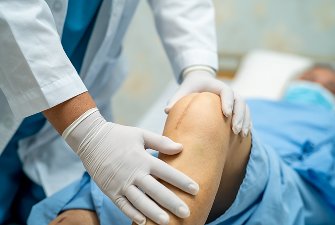
Understanding Post Surgical Persistent Pain
Post surgical persistent pain (PSPP) is pain that continues even after the expected healing period following a surgery. While some discomfort is normal after surgery, persistent pain lasting for months may indicate underlying issues.
This type of pain may result from nerve damage, scar tissue formation, inflammation, or improper healing. It can affect mobility, sleep, and overall quality of life if not managed properly.
Our physiotherapy approach focuses on identifying the cause of pain, reducing discomfort, and restoring normal movement through guided rehabilitation.
Early physiotherapy intervention can significantly improve recovery outcomes and prevent long-term complications.
Common Symptoms
- Persistent Pain: Pain lasting beyond healing period.
- Burning Sensation: Nerve-related discomfort.
- Stiffness: Limited movement near surgical area.
- Swelling: Ongoing inflammation.
- Tenderness: Pain on touching surgical site.
- Scar Sensitivity: Discomfort around scar tissue.
- Numbness: Reduced sensation.
- Muscle Weakness: Reduced strength.
- Limited Mobility: Difficulty in movement.
- Pain During Activity: Discomfort while using affected area.
- Sleep Disturbance: Pain affecting rest.
- Chronic Discomfort: Continuous low-level pain.
Your 3-Phase Recovery Journey
Recovery from post-surgical pain requires a gradual and structured rehabilitation plan.
Each phase is designed to reduce pain, restore mobility, and improve overall function.
Pain Control (Week 1–3)
Reduce pain, swelling, and inflammation using therapy.
Rehabilitation (Week 4–8)
Improve mobility and strengthen affected muscles.
Functional Recovery (Week 8+)
Restore normal function and prevent recurrence.
Daily Habits for Pain Relief
Proper care and consistent physiotherapy can improve recovery outcomes.
Following medical advice and maintaining a healthy routine can reduce pain and enhance healing after surgery.
Follow Exercise Plan
Do guided physiotherapy exercises.
Maintain Proper Posture
Avoid strain on surgical area.
Avoid Overuse
Do not stress healing tissues.
Regular Follow-up
Stay in touch with your therapist.
When to Seek Immediate Help
Severe Pain
Worsening pain after surgery
Infection Signs
Redness, swelling, fever
Limited Movement
Unable to move affected area
Nerve Symptoms
Numbness or tingling
Start Your Recovery Journey
Post surgical persistent pain can be effectively managed with the right physiotherapy care. Our goal is to reduce pain, restore mobility, and help you return to normal life.
Don’t ignore ongoing pain—early intervention leads to faster and safer recovery.
Book your consultation today.