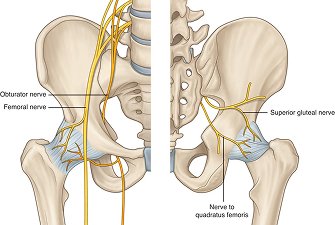
Understanding Hip Radiofrequency Ablation
Hip Radiofrequency Ablation (RFA) is a minimally invasive procedure used to treat chronic hip pain by targeting the sensory nerves that transmit pain signals from the hip joint.
The procedure uses controlled radiofrequency energy to create heat that interrupts pain signals, providing long-lasting relief.
It is commonly recommended for patients with hip osteoarthritis or persistent hip pain who are not suitable for surgery or wish to delay joint replacement.
The treatment is performed under imaging guidance to ensure precise placement and safety.
Patients often experience significant improvement in pain, mobility, and overall quality of life after the procedure.
Conditions Treated
- Hip Osteoarthritis: Degenerative joint disease.
- Chronic Hip Pain: Long-term joint pain.
- Post-Surgical Pain: Pain after hip surgery.
- Inflammatory Conditions: Joint inflammation.
- Limited Mobility: Difficulty walking or bending.
- Joint Stiffness: Reduced flexibility.
- Recurrent Pain: Pain not responding to treatment.
- Non-Surgical Candidates: Patients avoiding surgery.
Treatment & Recovery Process
Hip Radiofrequency Ablation is a structured and precise procedure designed to provide long-term pain relief by targeting specific hip joint nerves.
The process includes diagnostic confirmation, targeted nerve treatment, and rehabilitation for improved joint function.
Diagnostic Block
A temporary anesthetic injection is used to confirm that the targeted nerves are responsible for the pain.
Positive relief indicates suitability for RFA treatment.
Radiofrequency Procedure
Heat energy is applied to the targeted nerves to interrupt pain signals.
The procedure is safe, precise, and minimally invasive.
Recovery & Rehabilitation
Pain relief gradually improves over a few weeks after the procedure.
Physiotherapy helps improve strength, mobility, and joint function.
Post-Treatment Care Tips
Proper care after treatment ensures long-lasting relief and improved joint health.
Avoid Excess Strain
Limit heavy activities initially.
Follow Exercise Plan
Strengthen hip muscles.
Maintain Healthy Weight
Reduce joint stress.
Regular Follow-up
Monitor recovery progress.
Relieve Your Hip Pain Effectively
Hip Radiofrequency Ablation offers a long-lasting, minimally invasive solution for chronic hip pain.
Early treatment can improve mobility and delay or avoid surgery.
Book your consultation today and take the first step toward pain-free movement.