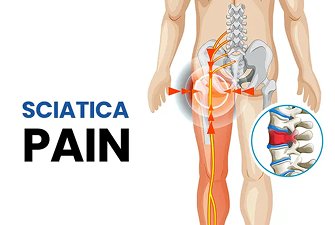
Understanding Sciatica
Sciatica is caused by irritation or compression of the sciatic nerve, the longest nerve in the body. It typically results in pain that radiates from the lower back down through the hips, buttocks, and legs.
Our approach focuses on identifying the root cause—such as disc issues, muscle tightness, or posture problems—and treating it with targeted physiotherapy techniques for long-term relief.
Common Sciatica Symptoms
- Radiating Leg Pain: Pain traveling from lower back to leg.
- Burning Sensation: Sharp or electric-like pain.
- Numbness: Tingling or reduced sensation.
- Muscle Weakness: Difficulty in leg movement.
- Pain While Sitting: Increased discomfort when seated.
- Limited Mobility: Difficulty walking or bending.
Your 3-Phase Recovery Journey
Sciatica recovery is gradual and structured with proper physiotherapy guidance.
Pain Relief (Week 1–3)
Reduce nerve inflammation and pain using manual therapy and pain relief techniques.
Rehabilitation (Week 4–8)
Strengthening core and improving flexibility to reduce nerve pressure.
Prevention (Week 8+)
Focus on posture, strengthening, and lifestyle changes to prevent recurrence.
Daily Habits for Sciatica Relief
Small daily habits can significantly reduce sciatic pain.
Maintain Proper Posture
Keep spine aligned while sitting and standing.
Avoid Long Sitting
Take breaks every 30 minutes.
Stretch Regularly
Do guided stretches to relieve nerve pressure.
Use Proper Lifting Technique
Avoid bending from the waist.
When to Seek Immediate Help
Loss of Control
Bladder or bowel issues
Severe Weakness
Leg weakness or paralysis
Severe Pain
Unbearable or worsening pain
Injury History
Recent fall or trauma
Start Your Pain-Free Journey
Sciatica can be effectively treated with the right physiotherapy approach. Our goal is not just pain relief, but long-term recovery and prevention.
Book your consultation today and take the first step toward a healthier, pain-free life.